In many facilities, commercial cleaning is treated as a background function. If a space looks acceptable, leadership assumes the cleaning program is working. But in mission critical environments, appearance is not the true measure of effectiveness. Consistency is.
When cleaning programs lack structure, documentation, and accountability, small inconsistencies can compound into larger exposure over time. The impact may not be immediate. It may not even be visible at first. But over time, inconsistency in cleaning compounds into exposure.
In environments where compliance, uptime, safety, and production quality matter, cleaning inconsistency is not a minor issue. It is a structural weakness.
What Cleaning Inconsistency Really Looks Like
Inconsistency in cleaning programs rarely announces itself. It shows up subtly:
- One cleaning technician interprets a task differently than another
- Supervisory inspections vary in thoroughness
- Documentation is completed inconsistently
- Multi-building campuses drift away from standardized practices
- Tasks are marked complete without measurable verification
None of these issues appear dramatic on their own. The facility may still look clean. Complaints may be minimal. But beneath the surface, variability grows.
In structured environments, variability equals risk.
How Variability In Cleaning Becomes Exposure
The operational consequences of inconsistent cleaning differ by industry, but the underlying pattern is the same.
Life Science and GMP Environments
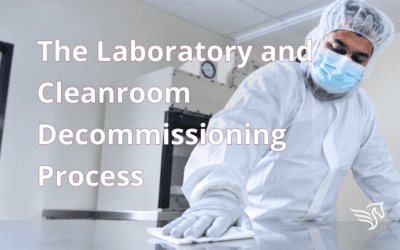
In controlled manufacturing and laboratory spaces, professional cleaning is directly tied to compliance and quality. When the execution of the cleaning varies between shifts or buildings, documentation gaps can surface during internal or regulatory audits.
Cleaning technicians who are not aligned to standardized workflows may unknowingly deviate from established procedures. Supervisors who lack structured verification processes may miss those deviations. Over time, minor inconsistencies can escalate into findings that require corrective action.
Audit readiness is not built during an inspection. It is built through daily discipline.
Data Centers and Technical Facilities
In high tech environments, including data centers and technical facilities, particulate accumulation is not just a housekeeping issue. Dust and debris can impact equipment reliability and airflow efficiency.
When cleaning processes are not standardized, certain areas may receive inconsistent attention. Maintenance windows may not align with cleaning execution. Without clear visibility into when and where work was completed, facilities teams are left relying on assumptions rather than data.
In uptime driven environments, assumptions about cleaning create vulnerability.
Healthcare Systems
In healthcare facilities, consistency in cleaning directly affects patient area safety and cross contamination control. When execution in cleaning varies between departments or shifts, risk increases.
Environmental Services teams operate under significant pressure. Without structured workflows and measurable accountability, even experienced cleaning technicians can drift from standardized protocols. The result is variability in execution across floors, units, or buildings.
Patient environments demand predictability in cleaning.
Advanced Manufacturing and Aerospace
In production environments, dust control and surface cleanliness can impact yield, equipment performance, and safety compliance.
Large footprint facilities often struggle with multi building standardization for cleaning processes. When vendors operate without a structured operating system, differences in training and supervision create uneven execution in cleaning.
Production leaders cannot afford unpredictability in support functions.
Why Traditional Cleaning Models Struggle with Consistency
Most traditional commercial cleaning programs are only built around task lists. They define what should be done, but not how it should be executed with repeatable precision.
Common characteristics of traditional models include:
- Task based scheduling without workflow structure
- Heavy reliance on individual technician habits
- Limited measurable performance tracking
- Reactive supervision
- Minimal documented verification
These models can function adequately in low consequence environments. In controlled or mission critical facilities, they introduce variability and inconsistency.
Consistency does not happen through effort alone. It requires structure.
The Difference Between Effort and System
It is important to clarify that inconsistency is rarely caused by lack of effort. Most cleaning technicians work hard. Supervisors often care deeply about performance.
The issue is structural, not personal.
Without defined workflows, clear accountability, and measurable verification, even well-intentioned cleaning teams will produce variable results. People naturally interpret tasks slightly differently. Over time, those differences create drift.
Facilities leaders who want predictable outcomes must move beyond task completion toward system discipline.
Why Traditional Cleaning Models Struggle with Consistency
Most traditional commercial cleaning programs are only built around task lists. They define what should be done, but not how it should be executed with repeatable precision.
Common characteristics of traditional models include:
- Task based scheduling without workflow structure
- Heavy reliance on individual technician habits
- Limited measurable performance tracking
- Reactive supervision
- Minimal documented verification
These models can function adequately in low consequence environments. In controlled or mission critical facilities, they introduce variability and inconsistency.
Consistency does not happen through effort alone. It requires structure.
The Difference Between Effort and System
It is important to clarify that inconsistency is rarely caused by lack of effort. Most cleaning technicians work hard. Supervisors often care deeply about performance.
The issue is structural, not personal.
Without defined workflows, clear accountability, and measurable verification, even well-intentioned cleaning teams will produce variable results. People naturally interpret tasks slightly differently. Over time, those differences create drift.
Facilities leaders who want predictable outcomes must move beyond task completion toward system discipline.
Building Cleaning Programs That Reduce Risk
Reducing operational risk through cleaning requires three core components.
- First, structured workflows. Tasks must be defined not only by outcome but by execution method. Standardization across shifts and buildings is critical.
- Second, measurable performance tracking. Facilities leaders should be able to verify that work was completed as intended. Documentation should be consistent and accessible.
- Third, supervisory accountability. Inspection processes must be systematic rather than discretionary. Oversight should reinforce process alignment, not just visual appearance.
Pegasus operates under a structured cleaning operating system called OS1. OS1 is designed to reduce variability by defining workflows, clarifying role accountability, and embedding measurable performance tracking making execution transparent and repeatable.
Cleaning as an Operational Discipline
In modern facilities management, nearly every critical function is measured. Production metrics are tracked. Safety incidents are logged. Equipment uptime is monitored.
When cleaning programs operate without structure and transparency, they create blind spots. Those blind spots may not generate immediate problems, but they weaken operational resilience.
Consistency is not about perfection. It is about predictability.
Facilities that demand precision from production lines, compliance processes, or technical systems should expect the same discipline from the environments that support them.
The Strategic Cleaning Perspective
A cleaning program’s inconsistency is rarely viewed as a strategic risk until something goes wrong. An audit finding. An uptime disruption. A contamination concern. A safety incident.
By then, leadership is reacting rather than preventing.
Organizations that view cleaning as a structured operational function rather than a commodity service position themselves differently. They reduce variability. They strengthen documentation. They improve alignment between Facilities, Quality, Operations, and Safety.
Pegasus approaches cleaning as an operational system, not a task list. Through structured workflows, defined accountability, and measurable performance tracking, variability is reduced and visibility is strengthened across buildings and shifts.
In mission critical environments, consistency is not cosmetic. It is foundational.
FAQs: The Operational Risk Hidden in Inconsistent Cleaning Programs
Why is cleaning inconsistency considered an operational risk?
In mission critical environments, inconsistency in commercial cleaning services creates variability. Variability leads to documentation gaps, uneven execution, and increased exposure to audit findings, downtime, or safety issues. Over time, small inconsistencies compound into measurable risk.
What does cleaning inconsistency look like in practice?
It often appears subtle:
-
Technicians interpret tasks differently
-
Inspections vary in thoroughness
-
Documentation is inconsistent
-
Tasks are marked complete without verification
The facility may look clean, but execution varies beneath the surface.
How does inconsistent cleaning affect GMP and Life Science environments?
In controlled spaces, professional cleaning services support compliance and product quality. When execution varies between shifts or buildings, deviations may occur. Without structured verification, those gaps can surface during audits and require corrective action.
Why does cleaning consistency matter in data centers?
Dust and particulate impact airflow and equipment reliability in data centers. Without standardized data center cleaning workflows and measurable documentation, critical areas may be missed, increasing uptime risk.
How does cleaning services variability impact healthcare facilities?
Healthcare environments require predictable execution to reduce cross contamination risk. Variability between departments or shifts increases exposure and weakens infection control efforts.
Why do traditional cleaning programs struggle with consistency?
Traditional cleaning models focus on task lists rather than defined workflows. They rely heavily on individual habits and reactive supervision, with limited measurable tracking. This naturally creates drift over time.
What reduces operational risk in commercial cleaning programs?
Three components are essential in commercial cleaning:
-
Structured workflows
-
Measurable performance tracking
-
Systematic supervisory accountability
Consistency requires system discipline.
Why does Pegasus integrate OS1, and how does it reduce variability?
OS1 is Pegasus’ structured cleaning operating system. It standardizes workflows, clarifies accountability, and embeds measurable tracking to ensure repeatable execution. Research has rated OS1 “vastly superior” to traditional zone cleaning
Does structured cleaning improve quality and cost control?
Yes. Case studies show structured cleaning systems improve cleanliness ratings, reduce defects, lower chemical usage, and generate significant cost savings
How does structured cleaning improve audit readiness?
Daily discipline and consistency in cleaning practices builds audit readiness. Standardized workflows, consistent documentation, and systematic inspections prevent last-minute corrections and reactive scrambling.
Why should facilities leaders treat cleaning as strategic?
Strategic cleaning supports compliance, uptime, safety, and production quality. When it operates without structure or transparency, it becomes a blind spot. Consistency strengthens operational resilience.