
Blog
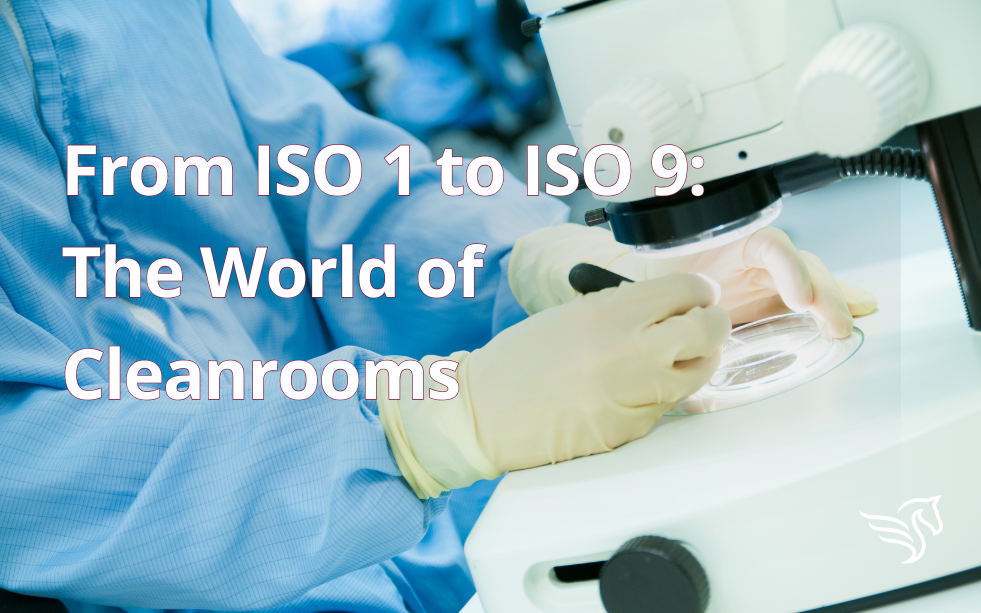
From ISO 1 to ISO 9: The World of Cleanrooms
Cleanrooms are highly controlled environments where airborne particles and other contaminants are managed to maintain specific levels of cleanliness. Did you know some cleanrooms are clean enough to support work involving equipment destined for space? We’ll dive into...
The Laboratory and Cleanroom Decommissioning Process: From Planning to Final Turnover
Closing, relocating, renovating, or repurposing a laboratory or cleanroom involves much more than removing equipment and cleaning the room. These environments may have supported years of work involving chemicals, biological materials, specialized processes, controlled...
What Is Industrial Cleaning and When Do I Need It?
Industrial cleaning is a broad term for cleaning services in specialized facilities such as factories, warehouses, medical facilities, data centers, cleanrooms, and other environments that require specialized cleaning. Often, industrial cleaning uses specialized...
Cleanroom Gowning & De-gowning Procedures
Keeping cleanrooms contaminant-free is a critical part of maintaining a controlled environment. Cleanrooms are specifically designed to control airborne particles and other potential contaminants, but the facility itself is only one part of an effective...
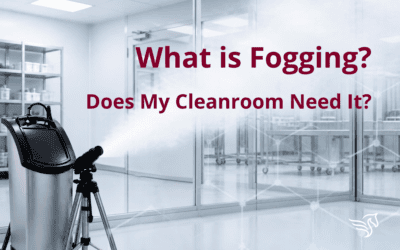
What is Fogging and Does My Cleanroom Need It?
Maintaining a clean environment is one of the most important parts of controlling contamination in cleanrooms and other critical environments. If you are a cleanroom manager, or if you work in another contamination-sensitive environment, you already understand the...

What Is Laboratory and Cleanroom Decommissioning? When Critical Environments Need a Formal Closeout Process
When a laboratory or cleanroom reaches the end of its current use, the process is rarely as simple as removing equipment, wiping down surfaces, and handing over the keys. Scientific and controlled environments may contain chemical residues, biological materials,...

3 Types of Hydrogen Peroxide Fogging and the Differences Between Them
Hydrogen peroxide fogging is not a one-size-fits-all decontamination process. How H2O2 is applied depends on the facility, contamination risk, HVAC configuration, equipment, operational constraints, and the surfaces or spaces that need to be treated. For facility...

What Should Be Included in a Customized Commercial Cleaning Plan
A customized commercial cleaning plan should be built around your facility's size, layout, industry, occupancy, traffic, operating schedule, cleaning requirements, and priorities. The best cleaning plan is not simply a list of tasks. It defines what needs to be...

Why Data Centers Need Specialized Professional Cleaning Services
Data centers need specialized professional cleaning because even small amounts of dust, debris, and other contaminants can affect airflow, cooling performance, equipment reliability, and the overall operating environment. Unlike a conventional commercial facility,...

Cleaning a Colocation Data Center: One Facility Many Tenants, One Standard
A single-tenant data center answers to one operator. A colocation data center facility answers to all of them at once. Every cage, suite, or rack space in a multi-tenant data center facility may belong to a different customer, each with its own compliance...
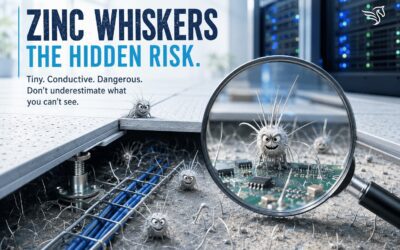
Zinc Whiskers in Data Centers: The Hidden Contamination Risk Most Operators Underestimate
Most data center contamination conversations focus on dust, particulate, and airflow. Zinc whiskers do not get the same attention. They should. Zinc whiskers are microscopic crystalline filaments that grow from the zinc coated underside of raised floor tiles, cable...

How Pegasus Builds Careers Through the 10,000-Hour Journey to Mastery™
Commercial cleaning is often viewed as a transactional service, but behind every spotless facility are professionals whose careers are built through training, mentorship, and continuous development. At Pegasus, the 10,000-Hour Journey to Mastery™ transforms...

What Every AI Operator Should Know About Cleaning GPU Clusters
Inside an AI data center, a single rack can now consume more power than an entire row of traditional servers did a decade ago. The hardware running modern training and inference workloads operates at thermal densities the data center industry has never seen at scale,...